The Seas Divide, The Skies Unite
In 1941, with Britain fighting for survival, a small Texas town became the unlikely training ground for Royal Air Force pilots — and the birthplace of a bond between two nations that endures to this day.
A Nation Under Siege
By the spring of 1941, the United Kingdom had been at war with Nazi Germany for eighteen long months. The Battle of Britain had been won, but at a staggering cost. The Royal Air Force had lost hundreds of pilots and thousands of aircraft. Every day, new threats emerged — from the U-boat campaigns strangling Atlantic supply lines to the relentless bombing raids that turned British cities to rubble.
Britain needed pilots. It needed them urgently, and it needed them in numbers that its own battered training infrastructure could no longer produce. The skies over England were too crowded with enemy aircraft, the airfields too vulnerable to attack, and the weather too unforgiving to train the next generation of aviators at the pace the war demanded.
The question was not whether Britain could train enough pilots. The question was where.
“The skies over England were too crowded with enemy aircraft to train the next generation of aviators.”
An Answer from
Across the Atlantic
The answer came through an extraordinary act of cooperation between two nations. Under the Lend-Lease Agreement of 1941 — the landmark arrangement through which the United States provided war materials and support to Allied nations — Britain and America forged a plan to train RAF pilots on American soil.
Texas was an ideal choice. The state offered what wartime England could not: vast stretches of open land, hundreds of miles of visibility, and more than 300 days of flyable weather each year. There were no enemy aircraft overhead, no blackout restrictions, and no bomb-damaged runways. The wide-open Texas skies were a world away from the war — and that was precisely the point.
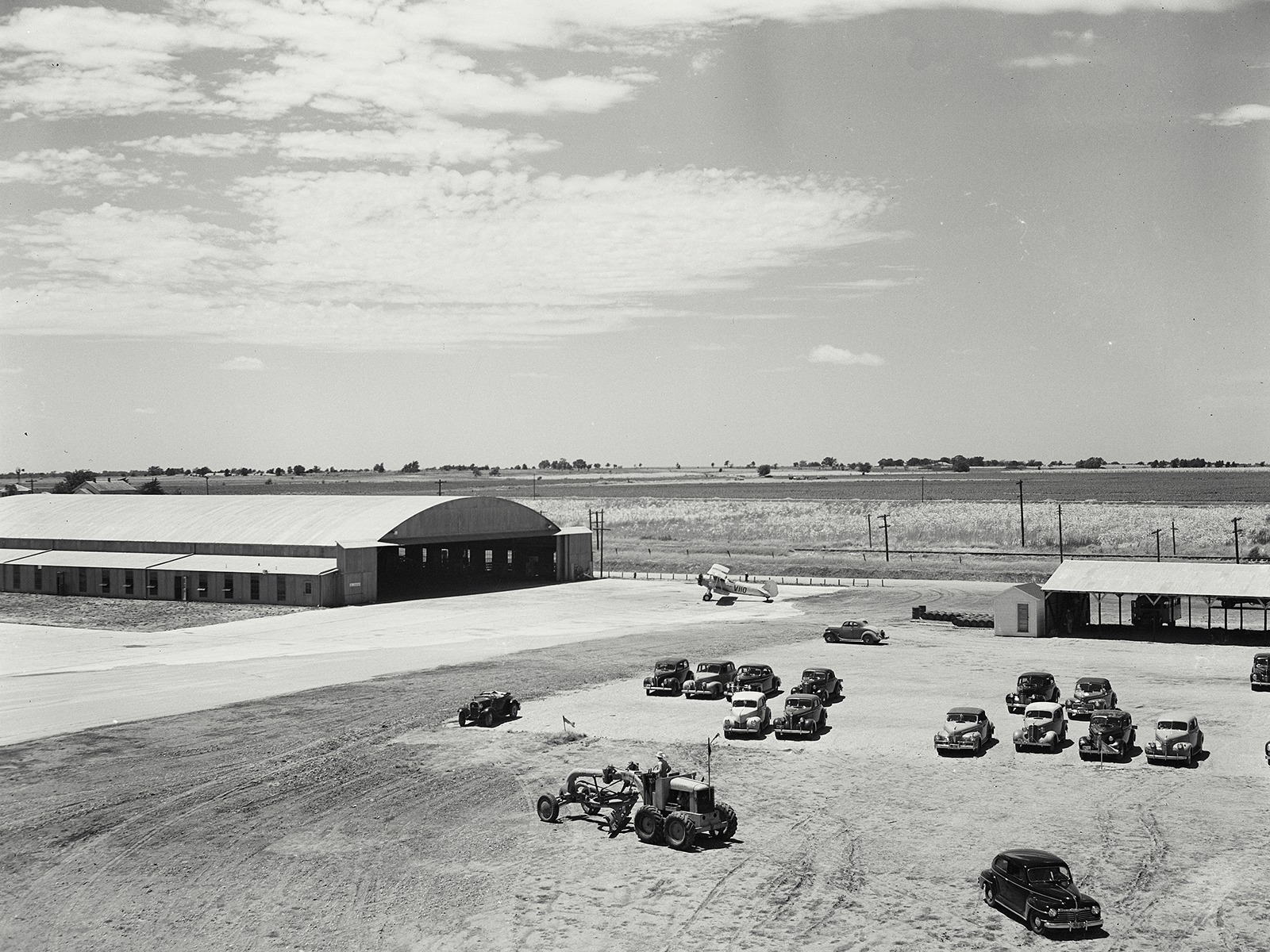
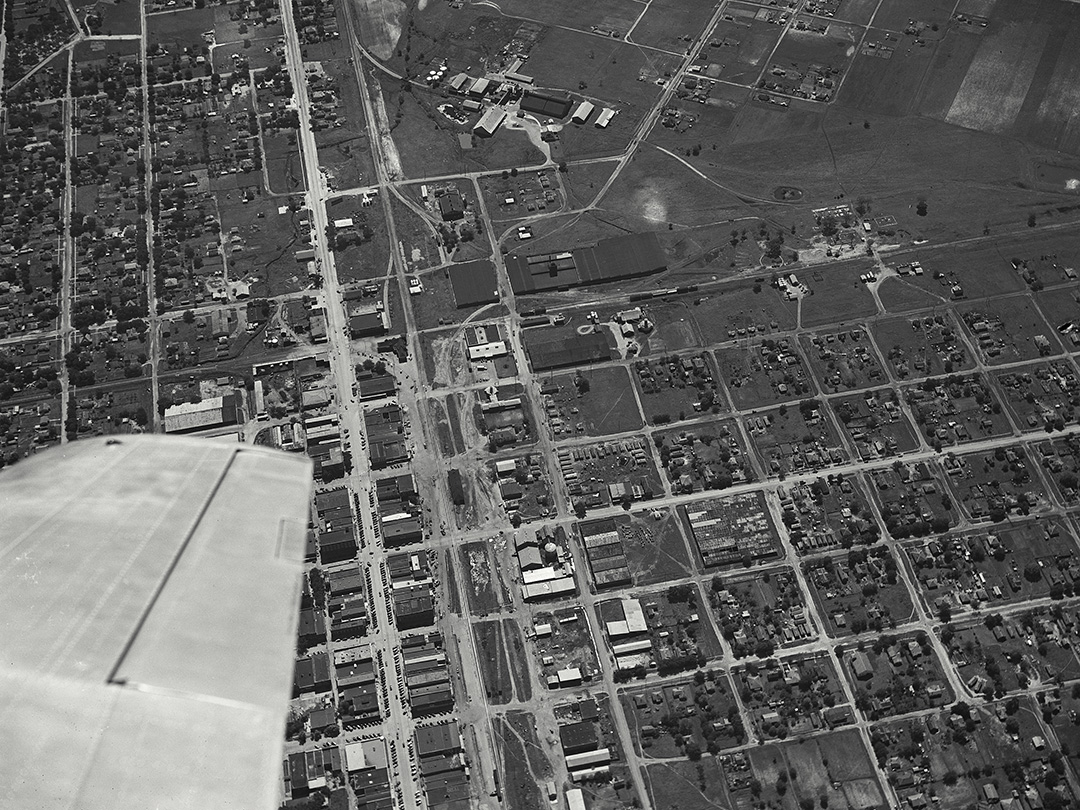
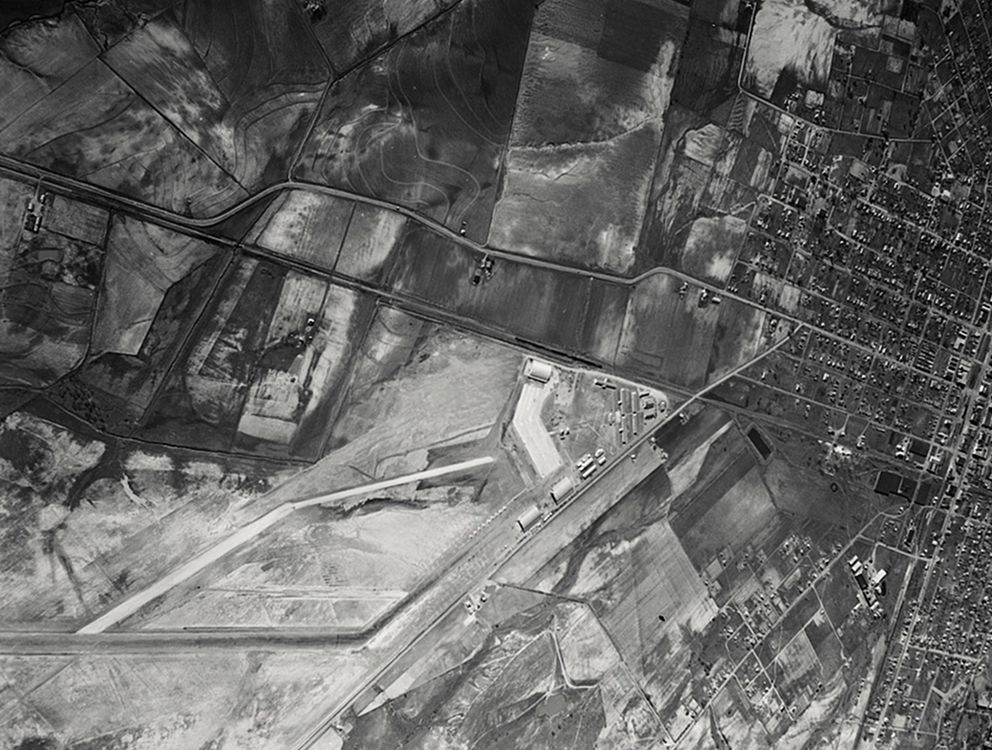
The small city of Terrell, located thirty miles east of Dallas, was selected as the home of No. 1 British Flying Training School. The site at what is now Terrell Municipal Airport offered flat terrain, reliable weather, proximity to Dallas for supplies and logistics, and — perhaps most importantly — a welcoming community eager to do its part for the war effort.
In June 1941, the first British cadets arrived in Texas. Many of them had never been outside England. Most had never seen a landscape so flat, a sky so wide, or a sun so relentless. They had traveled thousands of miles by ship across the submarine-patrolled Atlantic, then by train across the breadth of America, to reach a place that could not have been more different from home.
They came to learn to fly. They would leave as pilots, officers, and lifelong friends of Texas.
Earning Their Wings
in Texas Skies
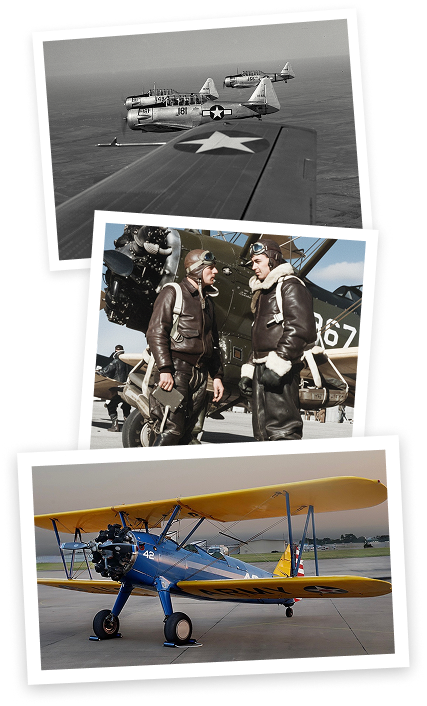
Training at No. 1 BFTS was rigorous, disciplined, and thorough. The school operated under a unique arrangement: the facility was run by American civilian instructors and staff, while the cadets themselves fell under RAF military discipline and authority. It was a partnership unlike anything either nation had attempted before — American know-how paired with British military tradition, civilian efficiency joined with wartime urgency.
Cadets progressed through a demanding curriculum that began with primary training on lighter aircraft and advanced through increasingly powerful machines. They learned navigation, instrument flying, formation flying, aerobatics, night flying, and cross-country navigation across the vast Texas landscape. The training was intensive — washout rates were real, and not every cadet who arrived in Terrell earned the coveted RAF wings.
But the training extended well beyond the cockpit. Young British men who had grown up in the blackout cities and rationed villages of wartime England suddenly found themselves immersed in a world of Texas hospitality, American abundance, and small-town warmth. Local families opened their homes to the cadets, inviting them to Sunday dinners, holiday celebrations, and weekend outings. Terrell’s residents treated the young Britons not as strangers but as honored guests — and, in time, as family.
The bonds formed between British cadets and their Texas hosts would prove as enduring as the flying skills learned in the air.
A Home Away from Home
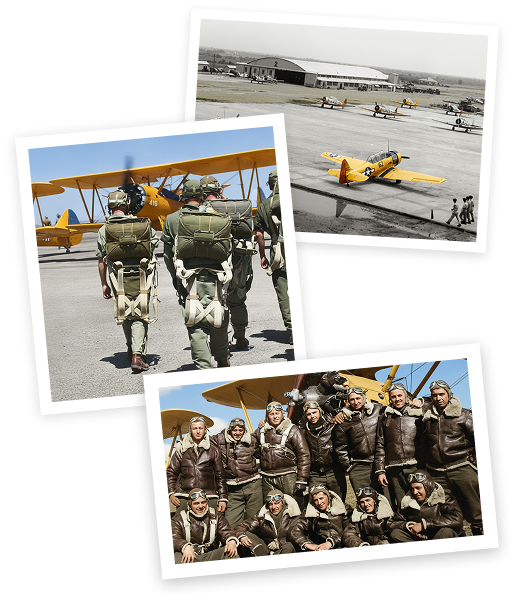
For the young British cadets, Terrell was a revelation. After months or years of wartime rationing, blackout curtains, and the constant threat of air raids, they found themselves in a place of extraordinary normalcy. The shops were full. The lights were on. The food was plentiful — and unfamiliar. Many cadets tasted their first steak, their first Coca-Cola, and their first taste of Tex-Mex cuisine right here in Terrell.
But it was the people of Terrell who made the deepest impression. Families throughout the community volunteered to host cadets on weekends and holidays. Local churches welcomed them. Civic organizations held dances and socials. Young women from Terrell and the surrounding area befriended the cadets — and more than a few wartime romances blossomed into lifelong marriages that bridged the Atlantic.
The cadets, in turn, left their own mark on Terrell. They brought with them British customs, humor, accents, and traditions that delighted and occasionally bewildered their Texas hosts. Cricket matches were played on Texas soil. Tea was brewed in quantities the locals had never imagined. And the sound of young British voices became a familiar part of Terrell’s daily life.
For a brief, remarkable period, this small Texas city became a little corner of England — and England, in turn, gained a lasting affection for Texas.
A Legacy Written in the Sky
When the war ended in 1945, No. 1 British Flying Training School closed its doors. The cadets returned to Britain — many to distinguished careers in the RAF, civilian aviation, and public life. The airfield at Terrell returned to peacetime use. The uniforms were packed away, the training aircraft dispersed, and the daily rhythms of a wartime flight school faded into memory.
But the story did not end there.
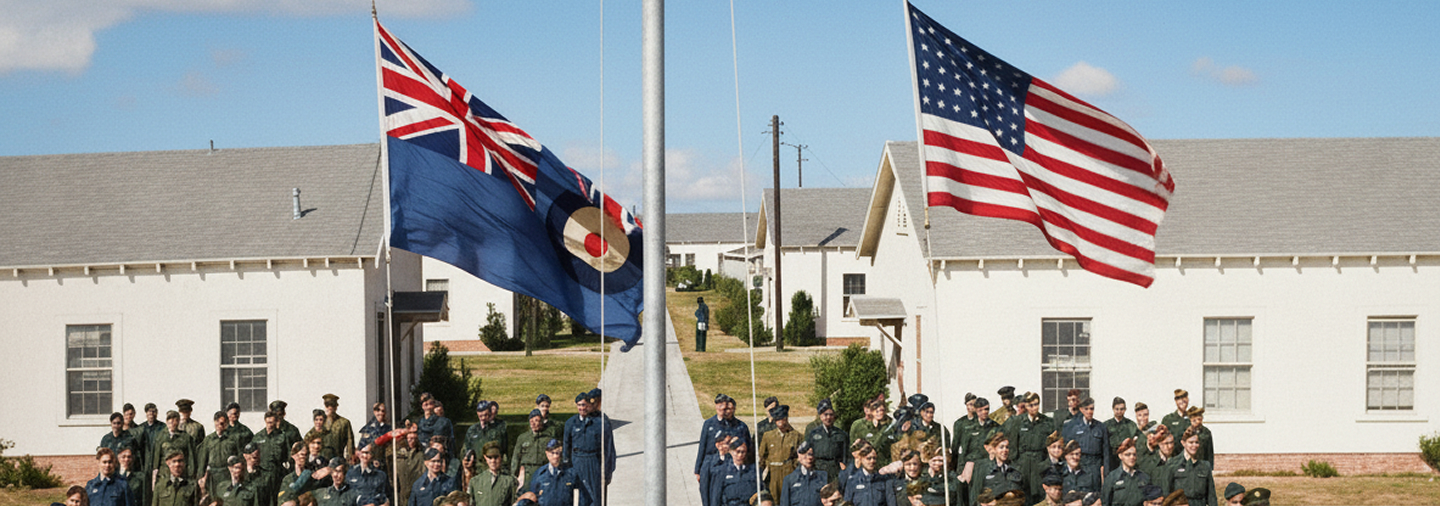
The friendships forged between British cadets and their Texas hosts endured across decades and oceans. Former cadets returned to Terrell for reunions. Letters and Christmas cards crossed the Atlantic for generations. Children and grandchildren of cadets and host families maintained the connections their parents and grandparents had begun. The bond between Terrell and Britain became not just a wartime memory but a living tradition.
In the years that followed, community members and history enthusiasts in Terrell recognized that this remarkable story deserved to be preserved. Their efforts led to the establishment of the No. 1 British Flying Training School Museum — a permanent home for the artifacts, photographs, documents, and stories that tell this little-known chapter of World War II history.
Today, the museum stands at the very site where it all began: the Terrell Municipal Airport, on the ground where thousands of young British men earned their wings. It is a place of remembrance, education, and enduring friendship — a testament to what two nations can achieve when they stand together.
What Visitors Say...
Sign Up - Get Notified!
Get the latest news and updates directly from the museum, including upcoming events, historic accomplishments and new media.