Meet the Cadets
Hundreds of young men from across the British Commonwealth earned their wings here in Terrell. Select a cadet to read their story.
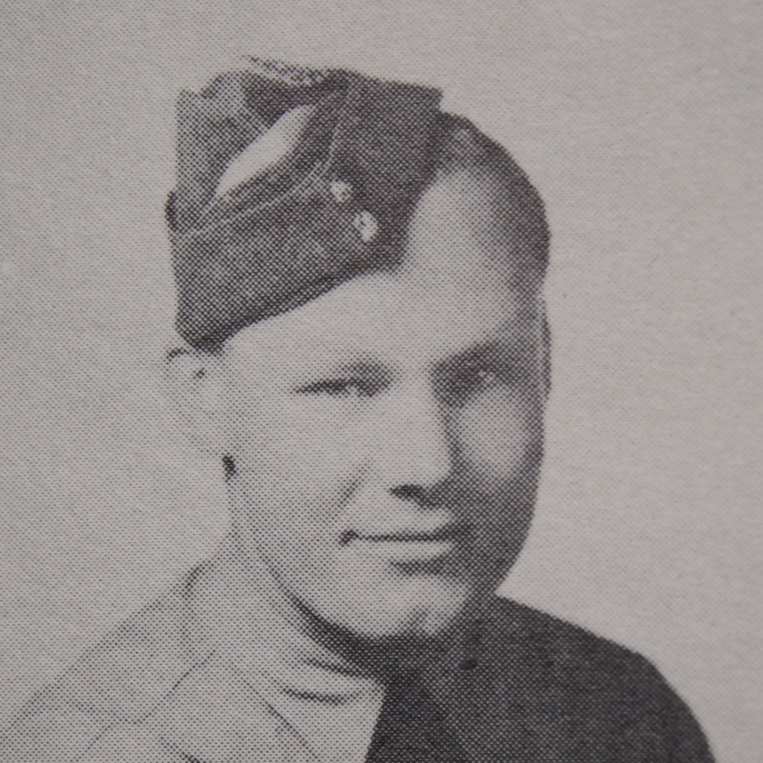
Ronald G. Miller
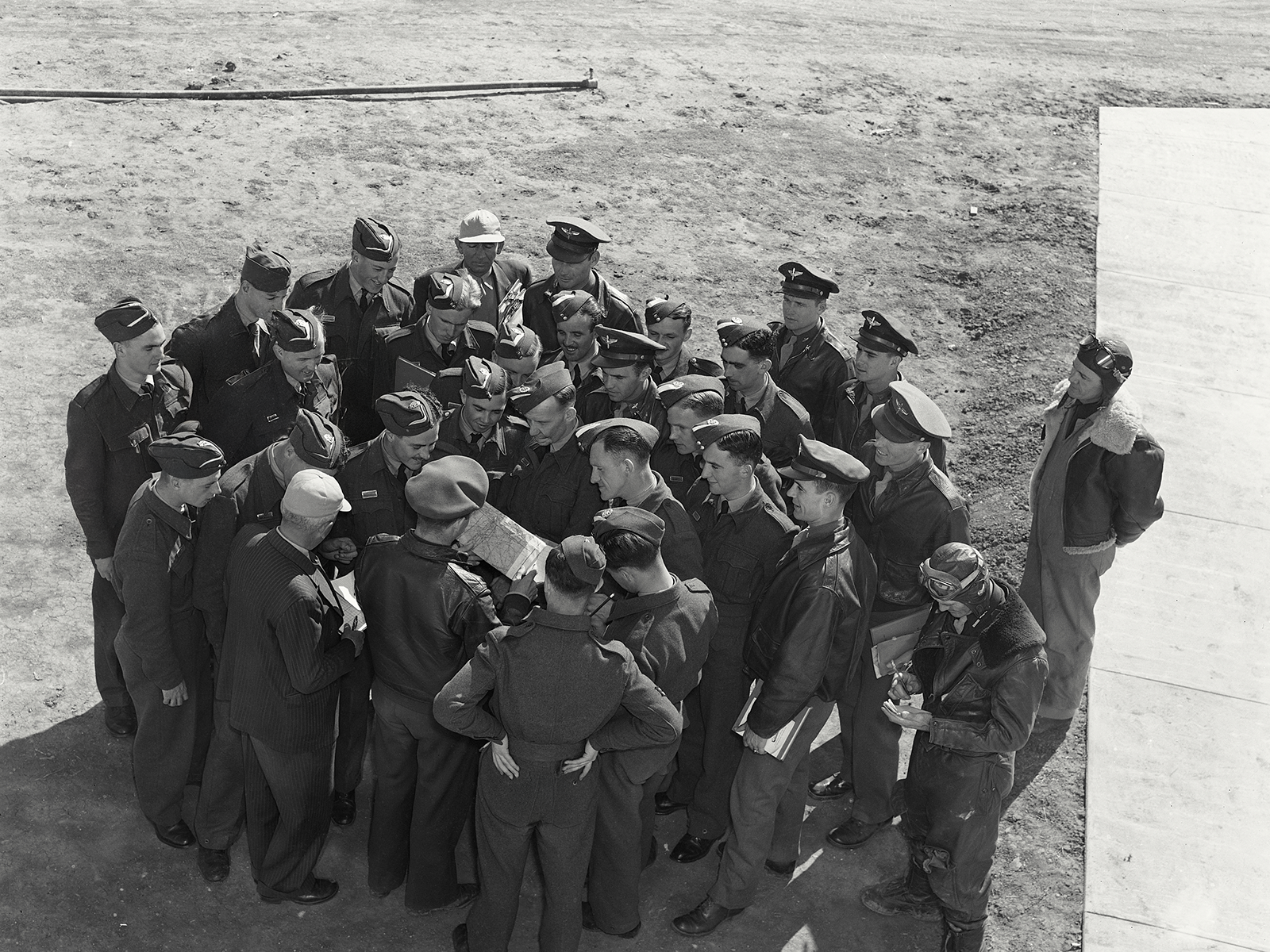
RAF Cadet, Ronald G. Miller was in the 100-member, 28-week, Course 15 from February 1943 to 1 October 1943. It is unknown how many received their wings (typically 70-80%). The London Gazetteshows twenty-one of those that earned their wings were commissioned as Pilot Officers in the Royal Air Force Volunteer Reserve. The remaining cadets receiving their wings were promoted from Leading Aircraftman (LAC) or Aircraftman 2nd Class (AC2), to Flight Sergeant (Fl/Sgt.).
RAF Cadets in Course 15 were the third course to experience three changes: (1) increasing the length of the course from 20 weeks to 28 weeks; (2) eliminating the Vultee BT-13 Valiant as a Basic Trainer (at the request of the RAF); and, (3) the inclusion of a small number of USAAF Aviation Cadets as fellow trainees. The two cadets are readily distinguished in the Course photos and in the Detached Flightvolumes by their different caps.
The cadets would first fly the Boeing Stearman PT-17 Kaydet, an open cockpit biplane with a fixed undercarriage, before transitioning to the much more advanced North American AT-6 Harvard (named by the RAF; also known as the Texan).
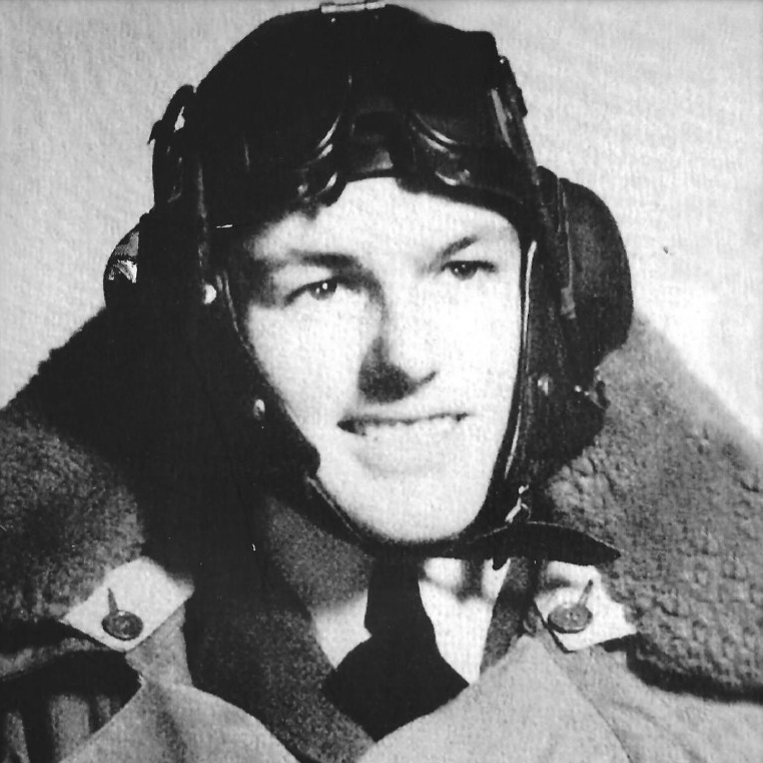
Arthur Louis Aaron
On August 12, 1943, Arthur Aaron piloted a bomber to Turin. When his plane was attacked by an enemy fighter, Aaron was severely wounded in the face, lung, and right arm. Aaron was lifted back into the cockpit after being treated with morphia. When he became too weak to control the aircraft, he wrote directions to another crew member for the remainder of the flight. The plane had lost an engine and was low on fuel before it reached Bone Airfield in Africa. After Aaron made four attempts to land the bomber, in the dark and without landing gear, crew members restrained him and the bomb aimer landed successfully. Aaron’s “courage, determination, and leadership,” while it saved his aircraft and his crew, exhausted him, and he died nine hours later. For his action, Aaron was awarded the Victoria Cross – Britain’s highest military honor.
Information from the citation for Arthur Aaron’s Victoria Cross
What Visitors Say...
Sign Up - Get Notified!
Get the latest news and updates directly from the museum, including upcoming events, historic accomplishments and new media.